


Why Use RSoft MetaOptic Designer
Designing metalenses and metasurfaces often requires specialized expertise, extensive simulation, and multiple design iterations. RSoft MetaOptic Designer streamlines this process using inverse design algorithms that automatically generate optimized structures based on user-defined performance targets. By combining automated design generation, validation workflows, and fabrication-ready outputs, engineers can accelerate development of compact imaging, sensing, AR/VR, and display systems.
Use RSoft MetaOptic Designer for
- Creating metalenses from user-defined optical performance targets
- Designing metasurfaces for imaging, sensing, display, and AR/VR systems
- Exploring meta-atom geometries and layout configurations
- Reducing manual trial-and-error in metaoptic design
- Generating simulation-ready metalens and metasurface models
- Validating generated designs with electromagnetic simulation
- Preparing layouts for fabrication workflows

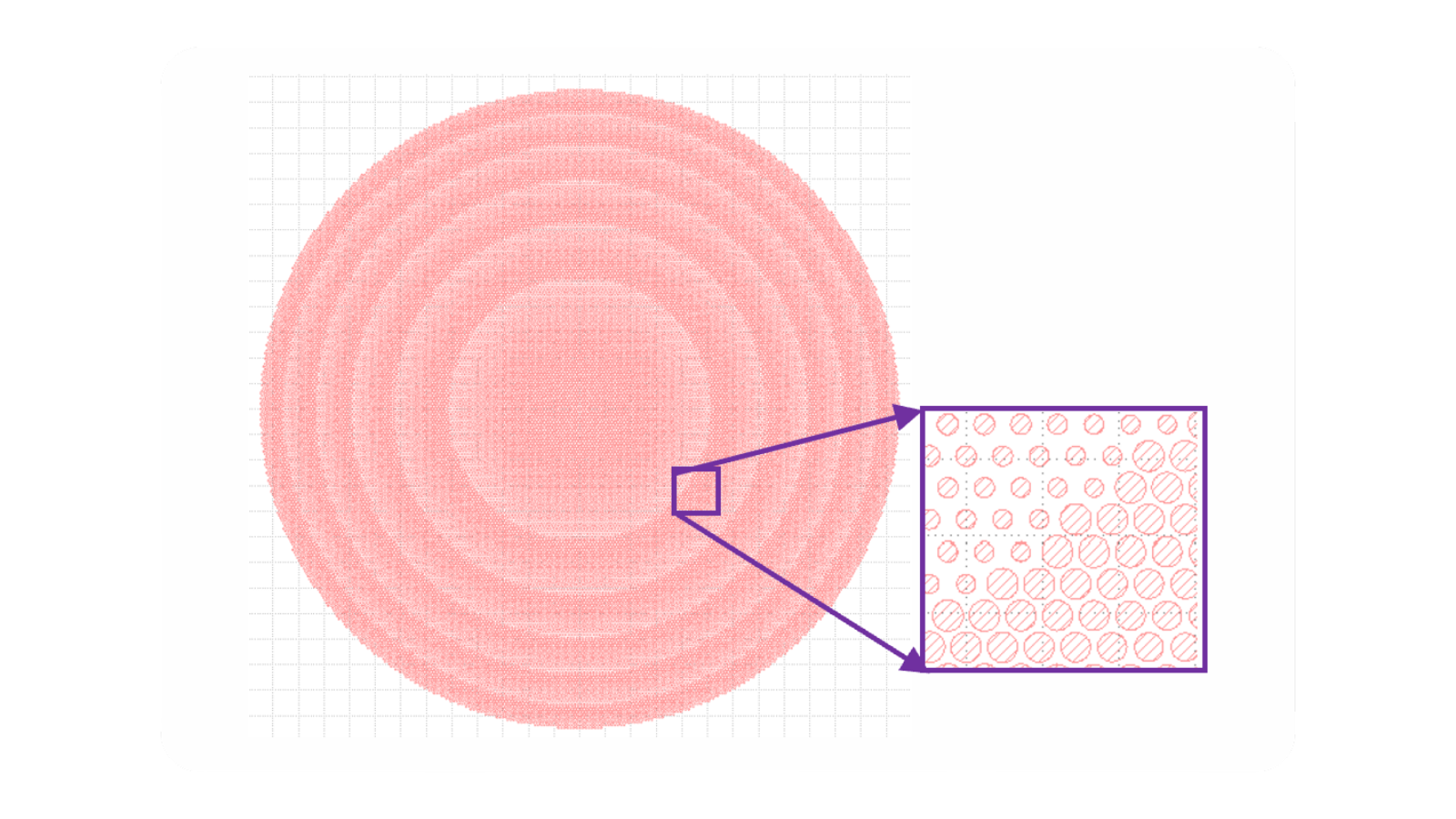
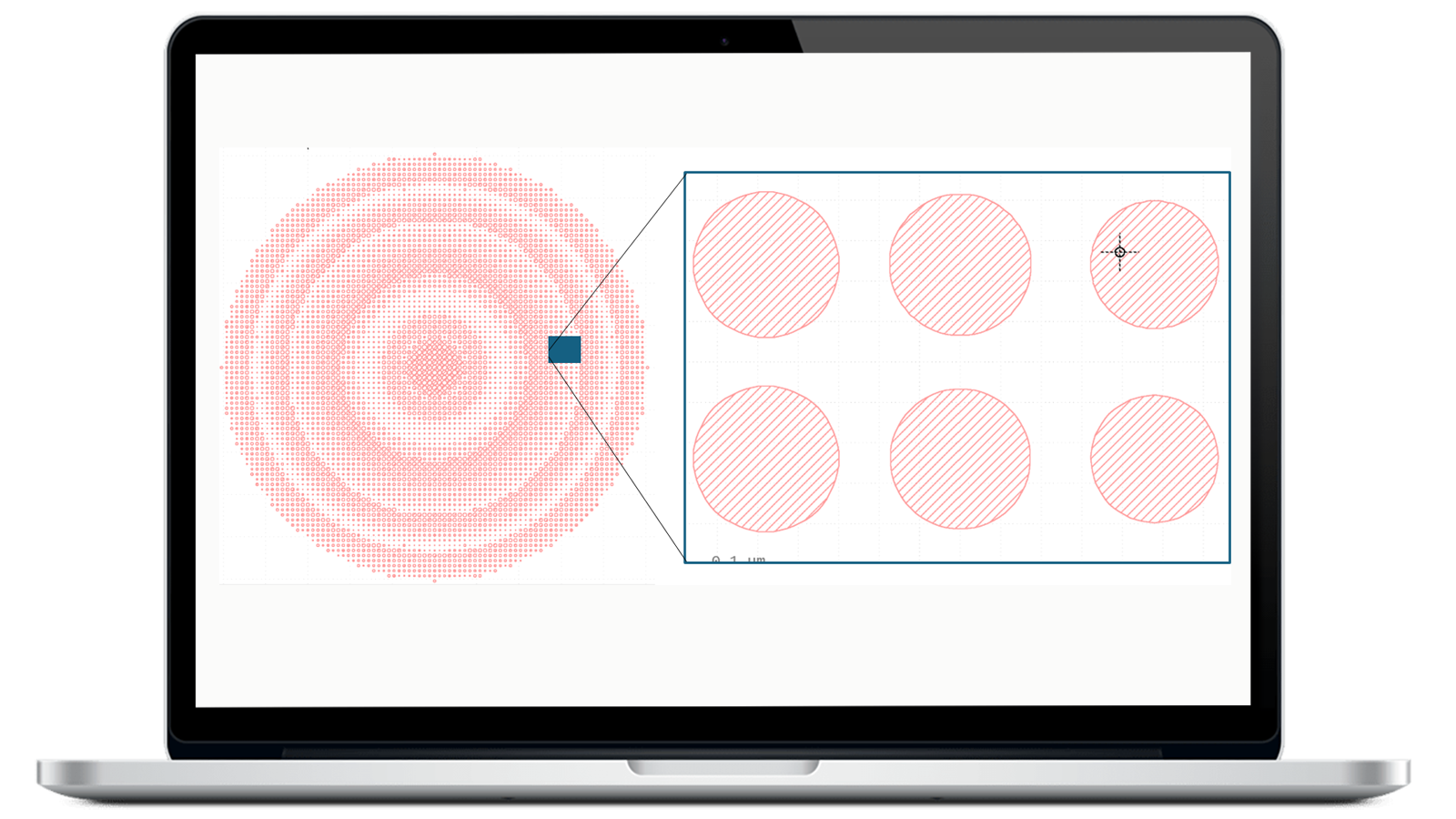
 Automated Inverse DesignGenerate optimized metalens and metasurface structures from user-defined performance requirements.
 Simulation-Driven ValidationEvaluate generated designs using optimization and electromagnetic simulation methods.
 Design and Fabrication OutputsGenerate metalens layouts, simulation-ready RSoft CAD models, and GDS outputs within the design workflow.
See It in Action
Easily Automate Advanced Metalens Design
Learn how MetaOptic Designer saves time and money by automatically generating metalenses and metasurfaces for optimal design performance. Designers of all expertise levels can create innovative metalens designs quickly and easily.
Key Outcomes

Use performance objectives to guide design generation rather than evaluating every geometry manually.

Compare alternative meta-atom and layout configurations more systematically.

Evaluate generated structures with electromagnetic simulation before committing to fabrication.

Connect performance targets, inverse design, simulation, and fabrication preparation in one workflow.
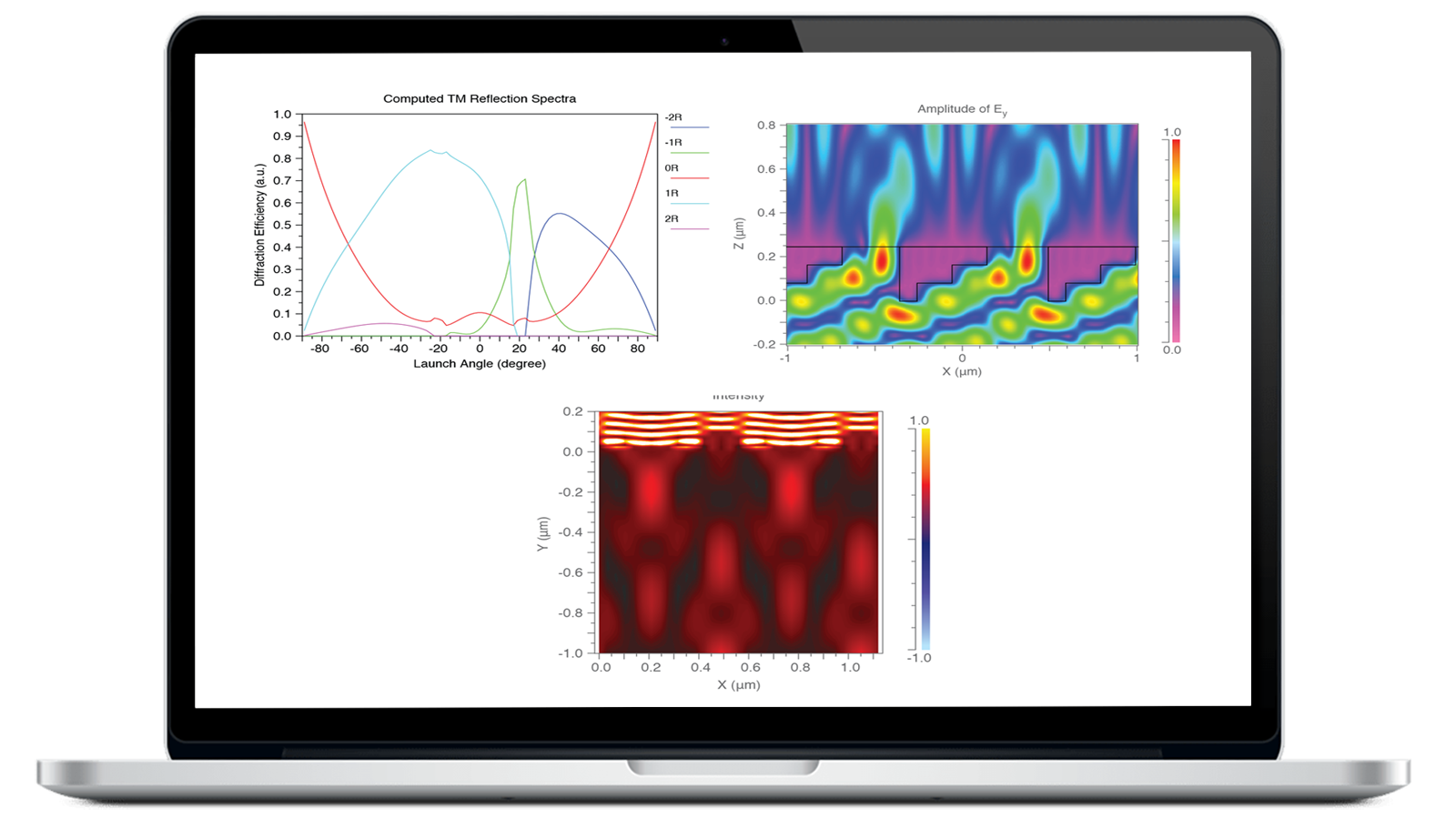
RSoft DiffractMOD RCWA
Use DiffractMOD RCWA design tool for diffractive optical structures, subwavelength periodic structures, photonic bandgap crystals, and more.
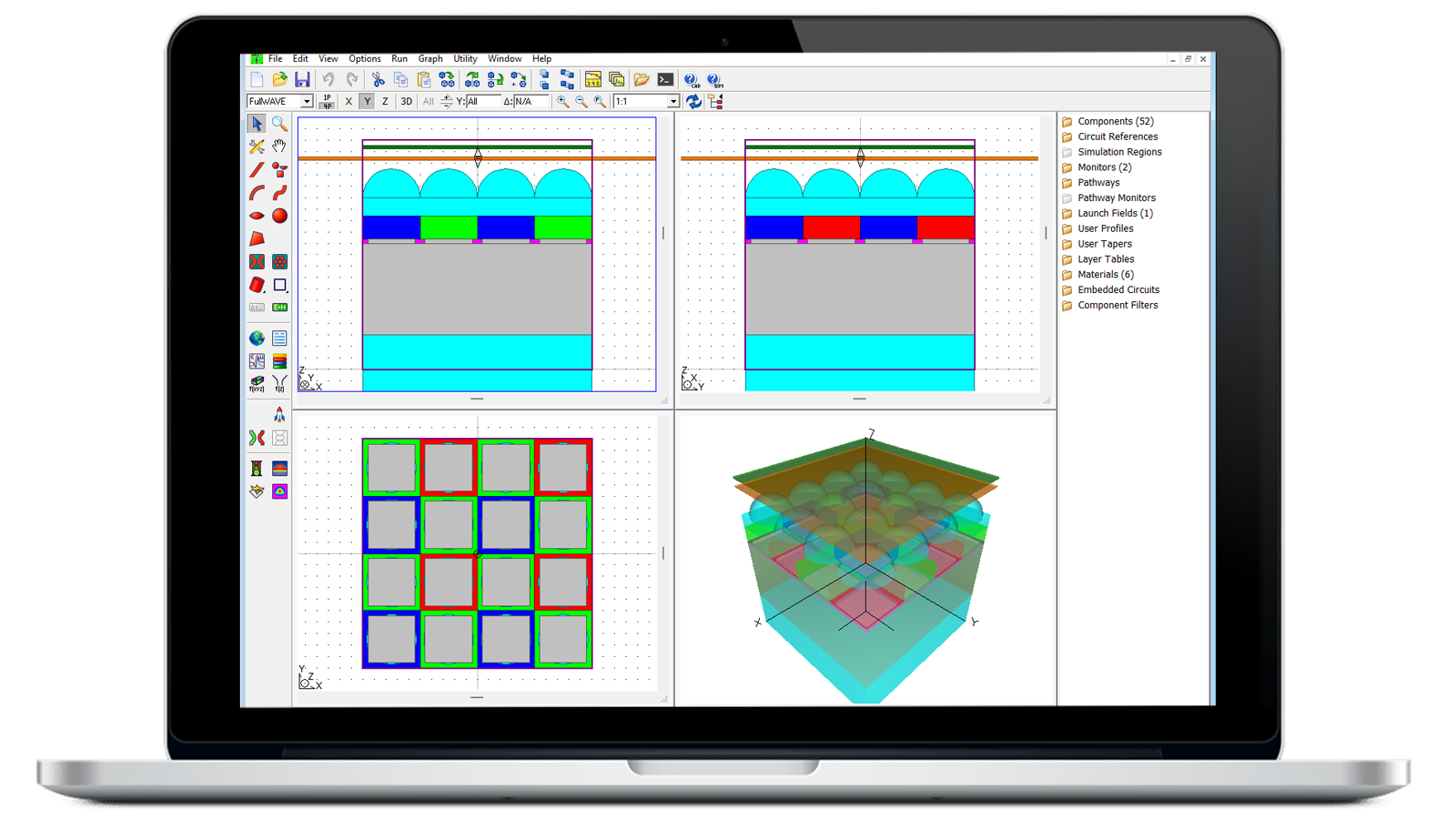
RSoft FullWAVE FDTD
Use the RSoft FullWAVE FDTD simulation tool to study how light propagates in photonic structures, circuits, and nanophotonic devices.
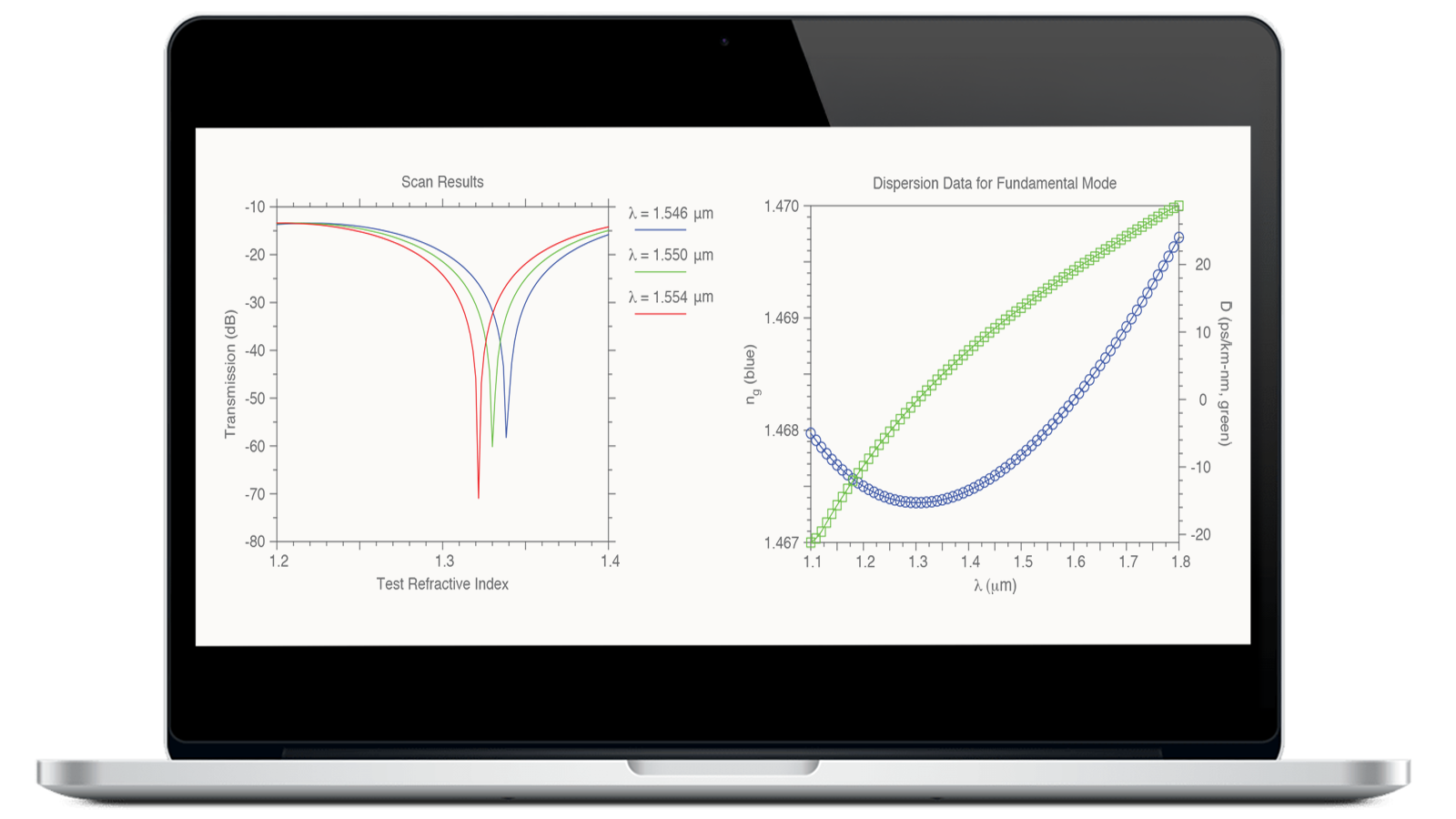
RSoft MOST
Use RSoft MOST or Multi-Variable Optimization and Scanning Tool to automate definition, calculation, and analysis of photonic device optimizations and scans.
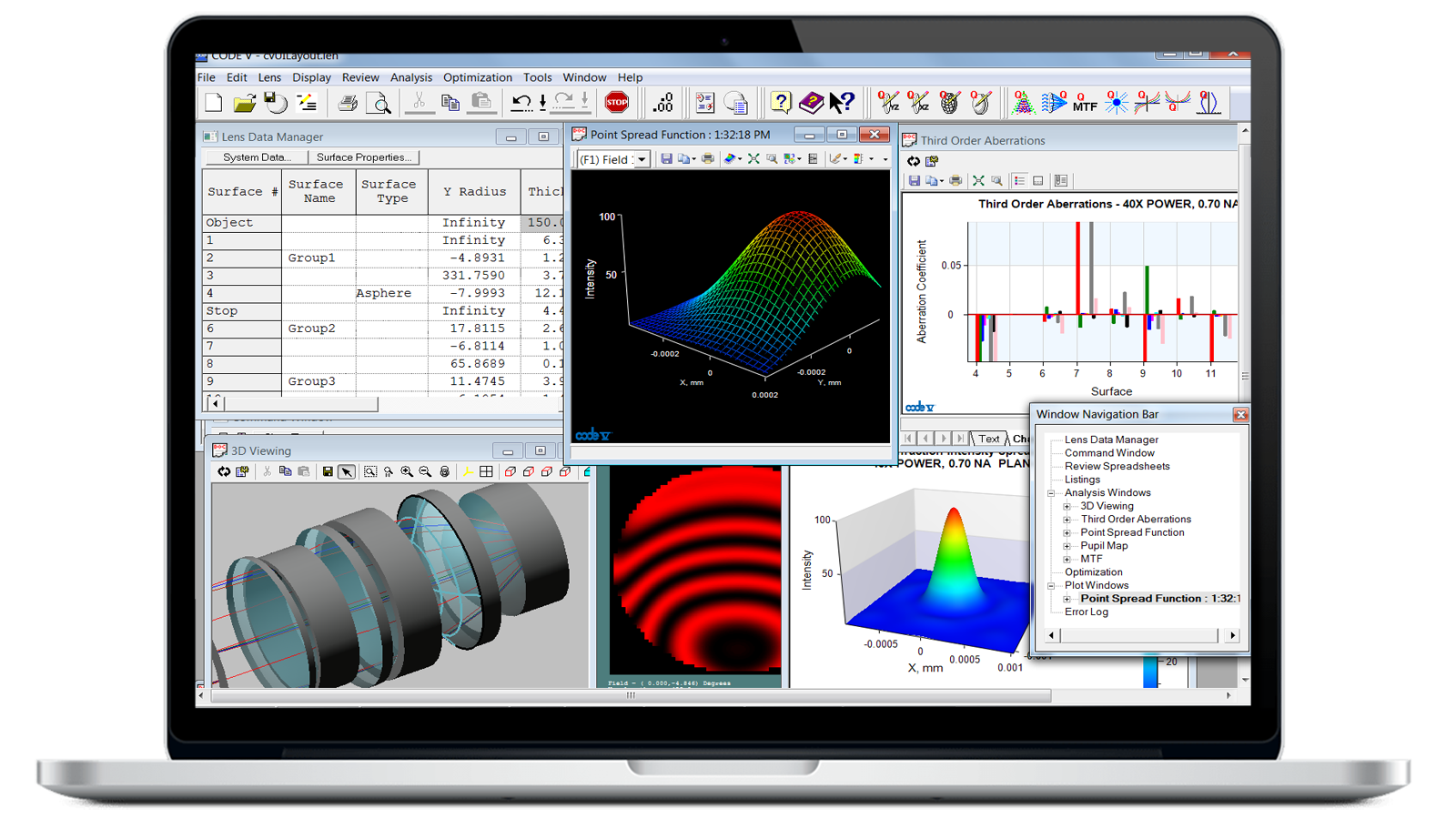
Optical Design Software (CODE V)
CODE V optical design software supports the optimization, analysis, and tolerancing of image-forming optical systems and free-space photonic devices.
Resources to Get You Started
MetaOptic Designer is a cutting-edge tool that helps engineers and designers quickly create high-performance metalenses and metasurfaces. Instead of relying on complex physics and time-consuming manual work, this AI-driven software automatically generates optimal designs based on simple user inputs.

白皮书
MetaOptic Designer Automated Design of Metalenses

技术资料
MetaOptic Designer Bundles
应用文章
Dielectric THz Metalens Design
应用文章
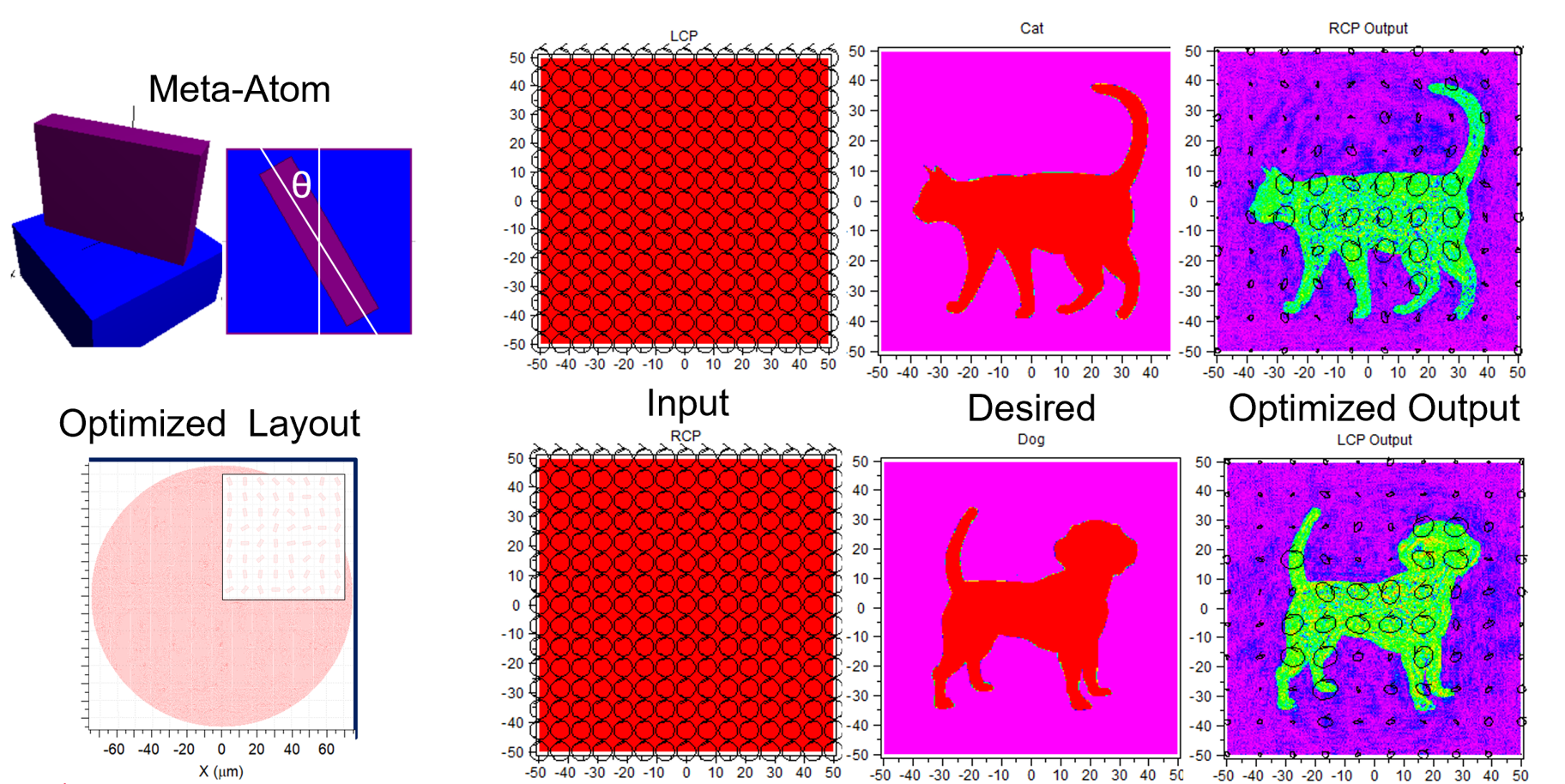
Design a Chiral Hologram using Metasurface
Webinars
Manufacturing Limitations and Their Mitigation in AR/VR Photonics Devices
Have Questions? We've Got Answers
A metalens typically consists of millions of subwavelength unit cells called meta-atoms, which modulate light locally and coherently over the entire metasurface. The shape and size of each meta-atom is determined locally based on the metalens’ overall performance. Designing a metalens with millions of variables is a uniquely challenging task. Traditionally done manually, metaoptic design requires extensive experience and a deep understanding of fundamental physics.
MetaOptic Designer can be used to develop metalenses and metasurfaces for imaging systems, sensing applications, AR/VR devices, displays, and other compact optical systems.
Inverse design algorithms automatically identify geometries that satisfy user-defined optical performance targets, reducing manual iterations and accelerating development.
Yes. The software can automatically generate GDS files and other outputs needed to move designs into fabrication workflows.
Yes. Generated designs can be validated using advanced simulation algorithms and rigorous FDTD-based analysis methods.
MetaOptic Designer generates simulation-ready outputs that integrate with the RSoft CAD Environment, enabling additional simulation, analysis, and optimization workflows.