


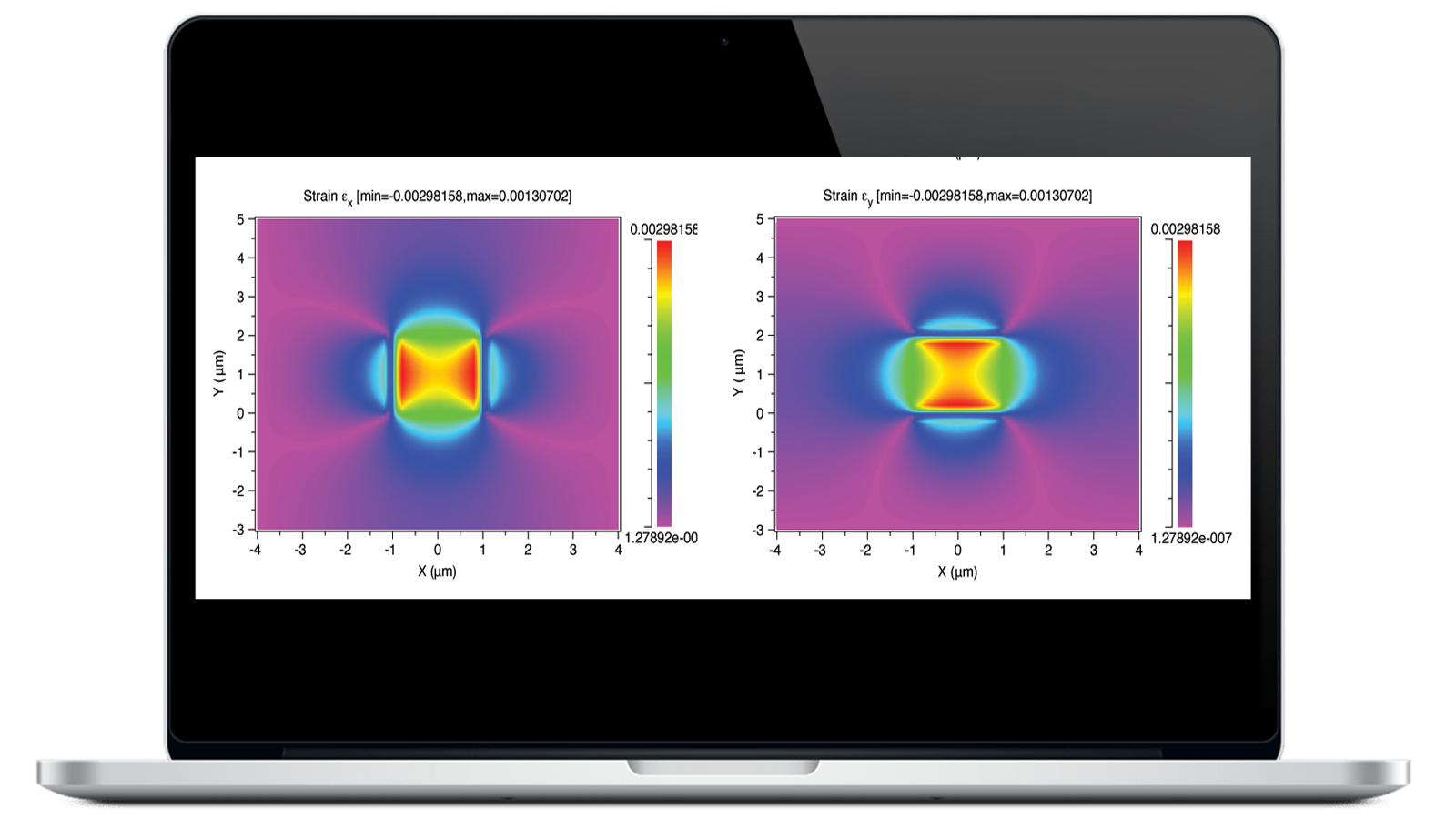
Why Use RSoft Multi-Physics Utility
Model thermal, electrical, stress, and carrier-induced effects within photonic devices to better predict real-world optical performance before fabrication.
Optical devices rarely operate under ideal conditions. Temperature changes, electrical bias, mechanical stress, and carrier distributions can significantly affect optical performance. The RSoft Multi-Physics Utility enables engineers to include thermal, electrical, stress-optic, electro-optic, and carrier-induced refractive index effects within photonic simulations, helping predict real-world device behavior before fabrication.
Use RSoft Multi-Physics Utility for
- Analyzing thermal effects on photonic device performance
- Modeling carrier-induced refractive index changes
- Simulating electro-optic modulation and tuning behavior
- Evaluating stress-optic effects in optical structures
- Predicting device performance under electrical bias
- Studying temperature-dependent optical behavior
- Improving correlation between simulation and measured results
- Including real-world operating conditions in photonic simulations

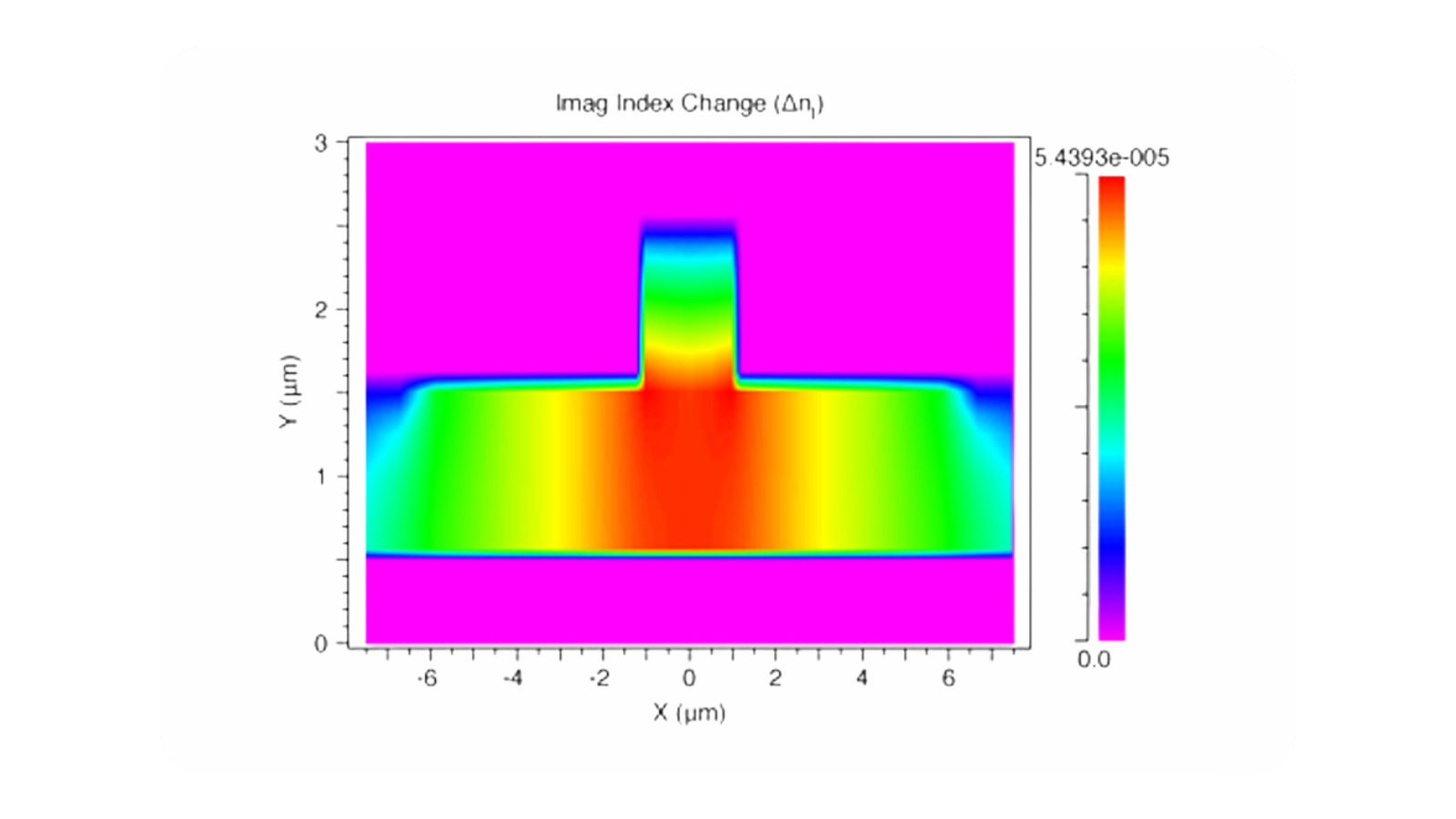
 Incorporate Real-World EffectsInclude thermal, electrical, stress, and carrier-induced phenomena in photonic device simulations.
 Extend Existing RSoft SimulationsApply multiphysics effects to designs analyzed with BeamPROP, FullWAVE, FemSIM, and other RSoft tools.
 Improve Design ConfidenceBetter predict operating performance before fabrication and testing.
Key Outcomes

Evaluate how real operating conditions affect optical performance.

Reduce the gap between simulation results and experimental data.

Identify performance limitations before physical prototyping.

Evaluate thermal, electrical, and material effects earlier in the design cycle.
RSoft CAD Environment
The RSoft CAD Environment is the core program of the RSoft photonic device tools. Design waveguide devices, optical circuits, and other photonic devices.
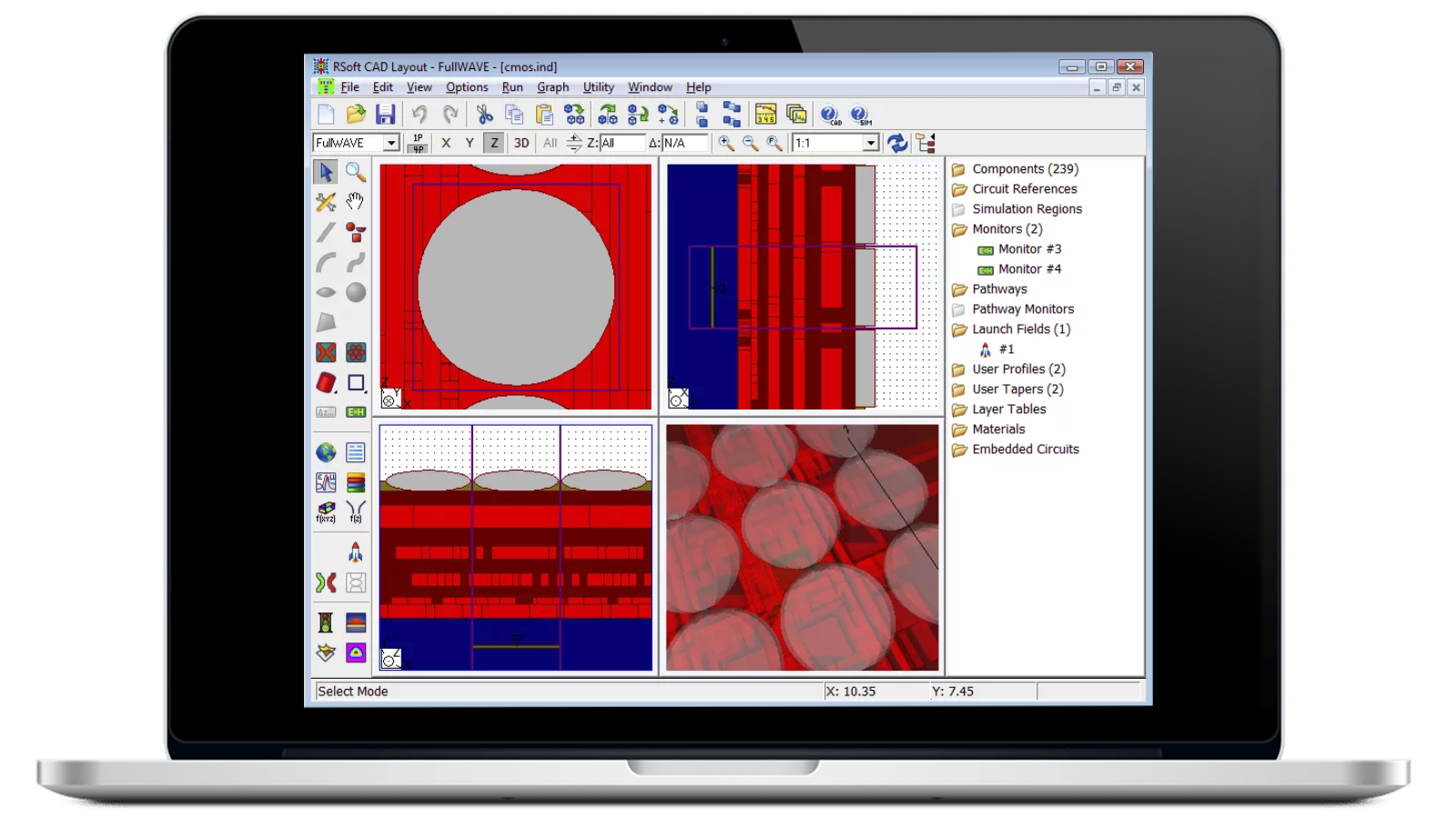
RSoft FullWAVE FDTD
Use the RSoft FullWAVE FDTD simulation tool to study how light propagates in photonic structures, circuits, and nanophotonic devices.
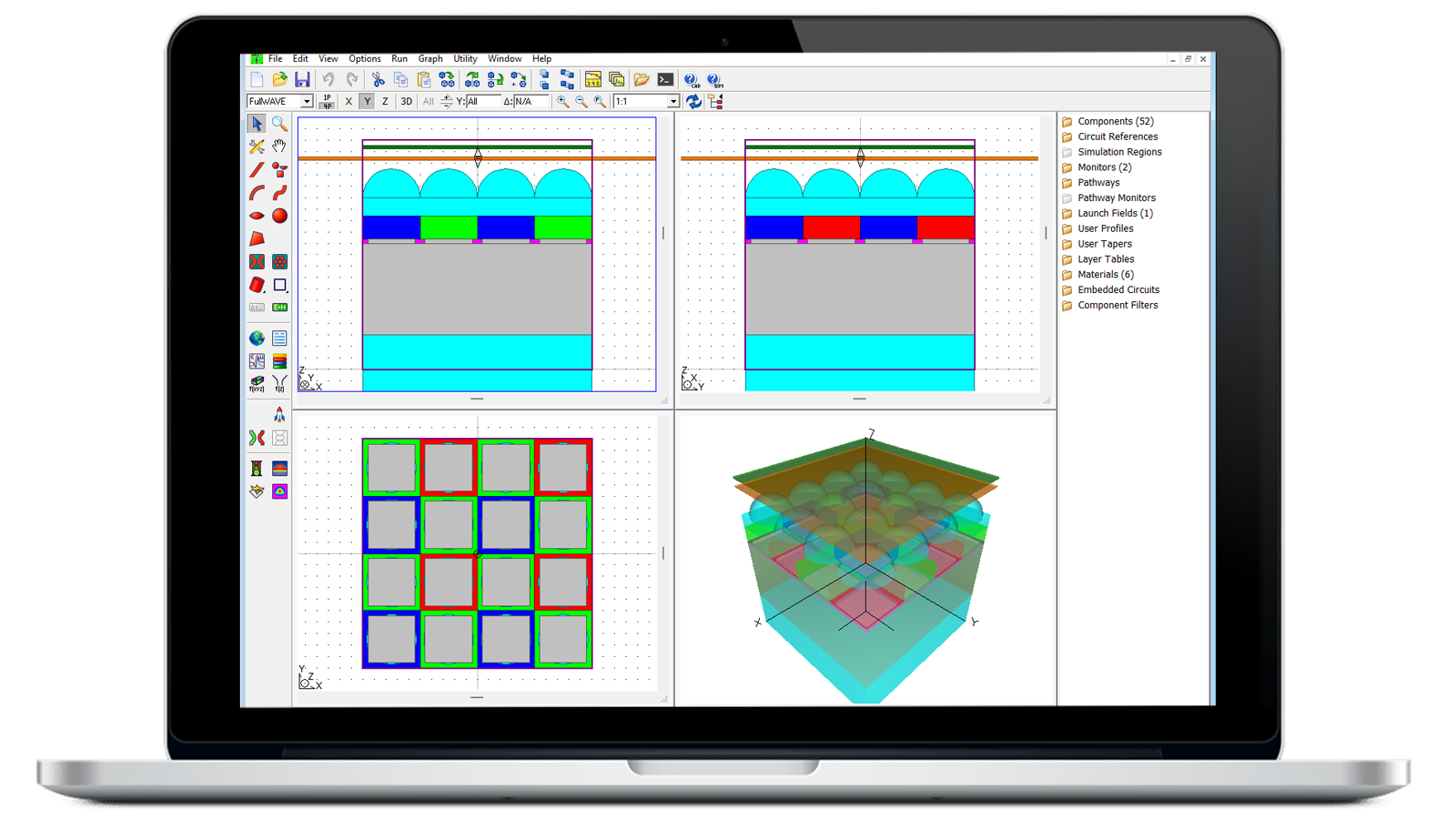
RSoft BeamPROP BPM
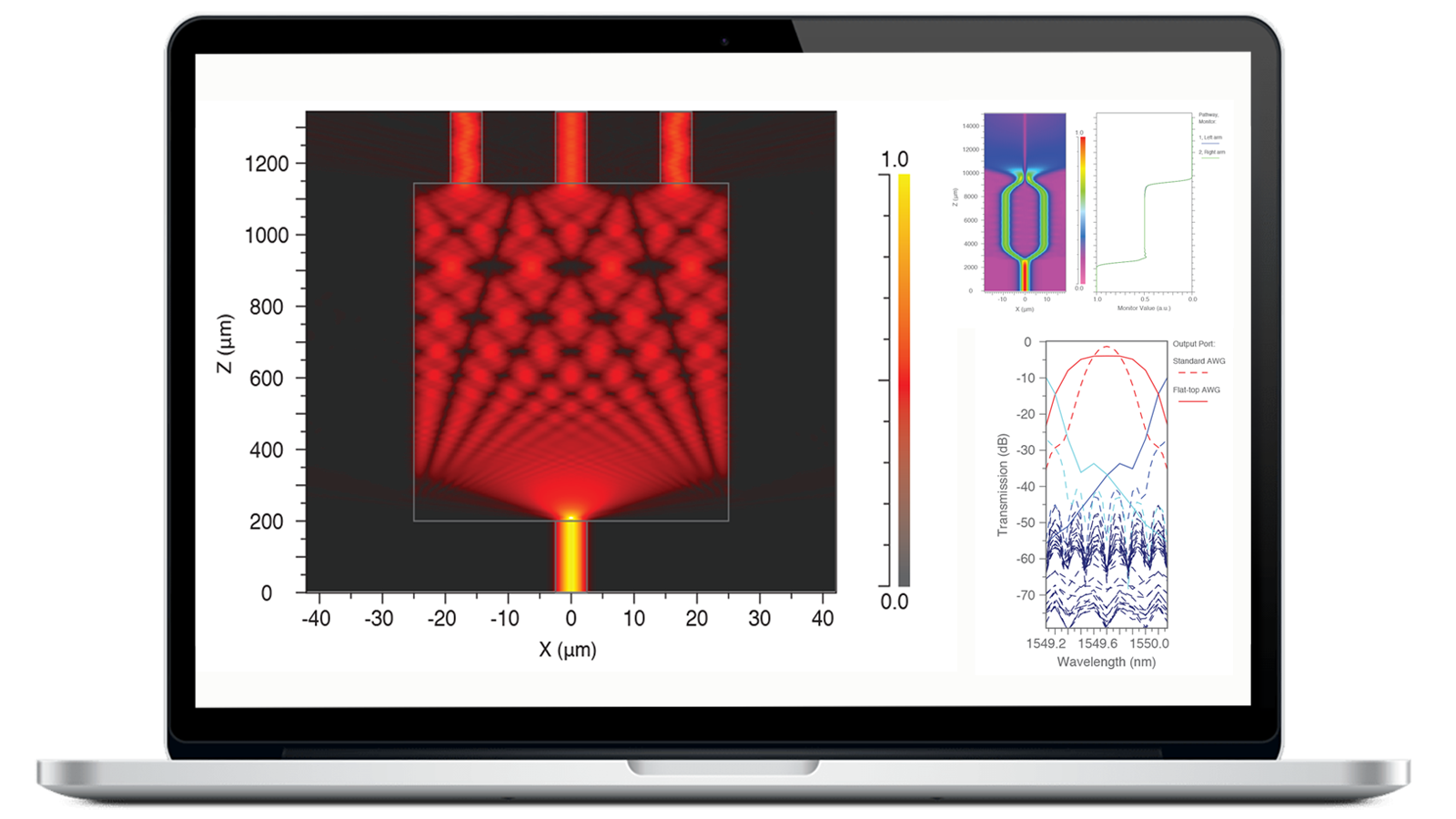
Use industry-leading RSoft BeamPROP BPM design software to rapidly and accurately design and simulate integrated and fiber-optic waveguide devices and circuits.
RSoft FemSIM FEM
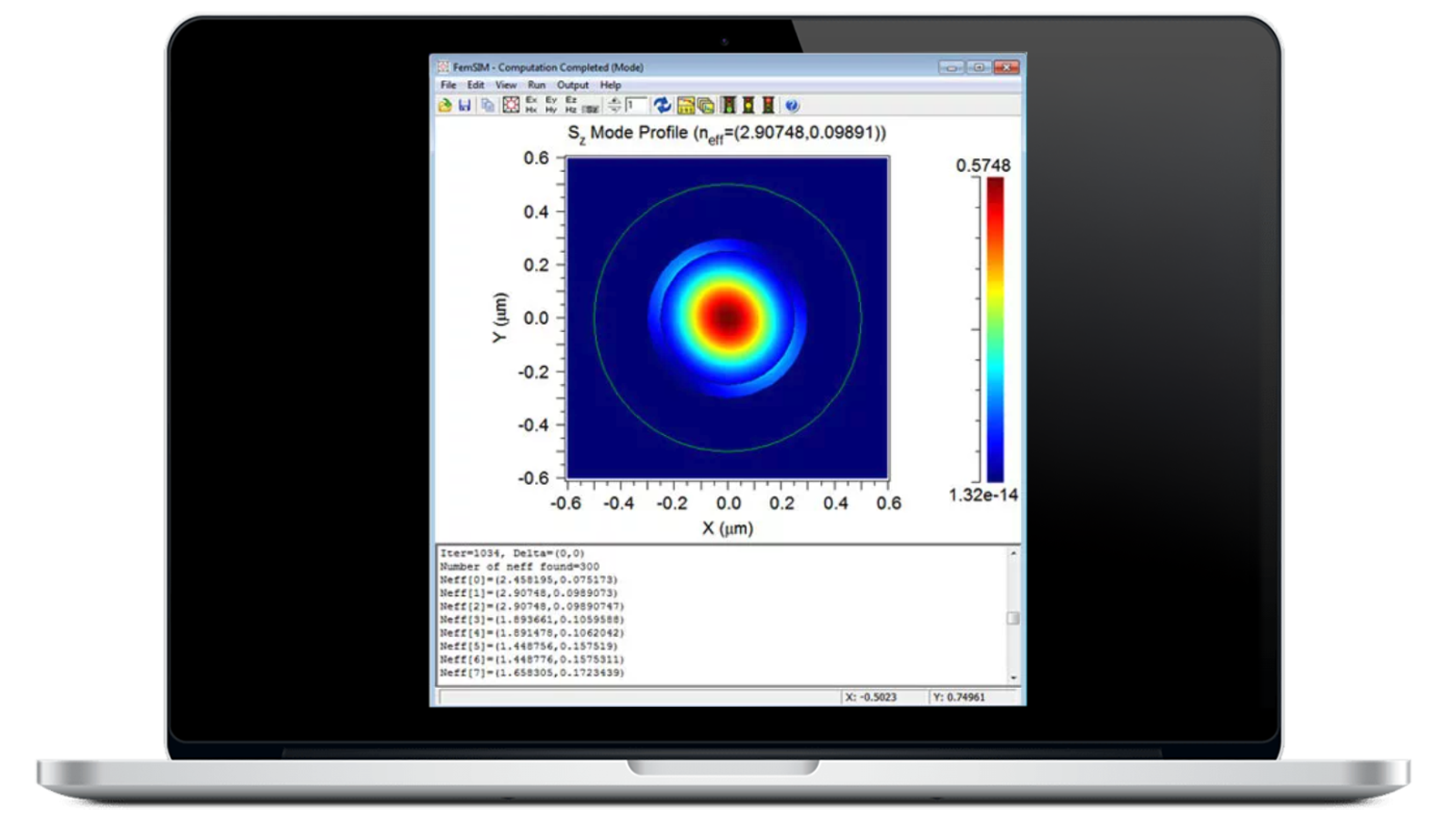
Use RSoft FemSIM FEM design tool to calculate any number of transverse or cavity modes of an arbitrary structure on a non-uniform mesh.
RSoft LaserMOD
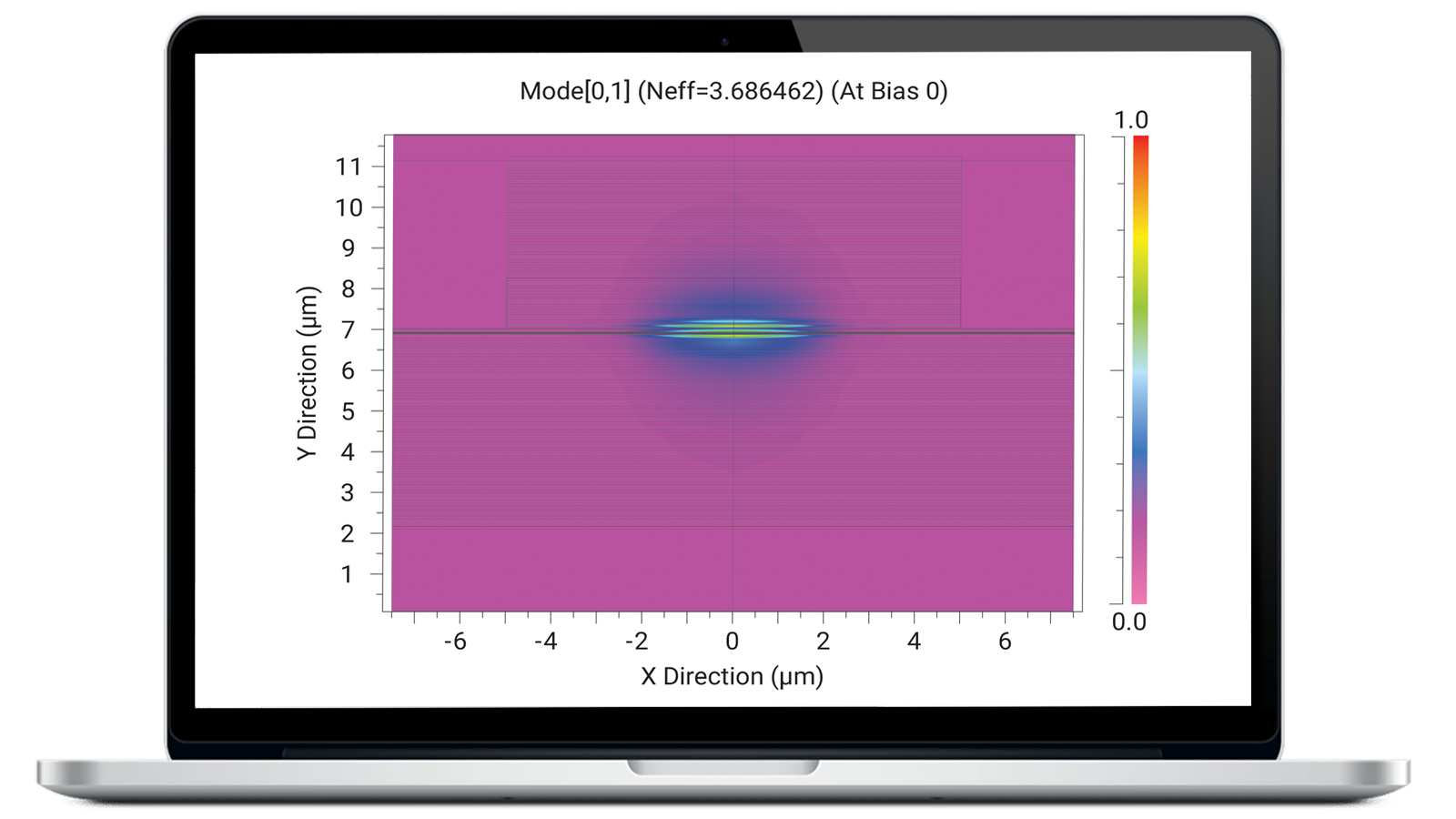
Discover RSoft LaserMOD photonic device design tool for simulating optical, electronic, and thermal properties of semiconductor lasers and similar active devices.
Resources to Get You Started
应用文章
Simulating Voltage-Dependent Index Changes in Silicon-on-Insulator Waveguides

应用文章
Modeling Strain Effects in a Ridge Waveguide
Have Questions? We've Got Answers
The utility supports thermo-optic, electro-optic, stress-optic, and carrier-induced refractive index variations.
Yes. The utility is designed to work with RSoft passive device simulation tools.
Many photonic devices are affected by temperature, stress, electrical bias, and carrier distributions. Including these effects helps improve simulation realism and accuracy.
Common applications include modulators, optical sensors, photodetectors, integrated photonic devices, and semiconductor photonic components.
RSoft multiphysics workflows can be used alongside electronic simulation environments, including interoperability with Synopsys Sentaurus TCAD.